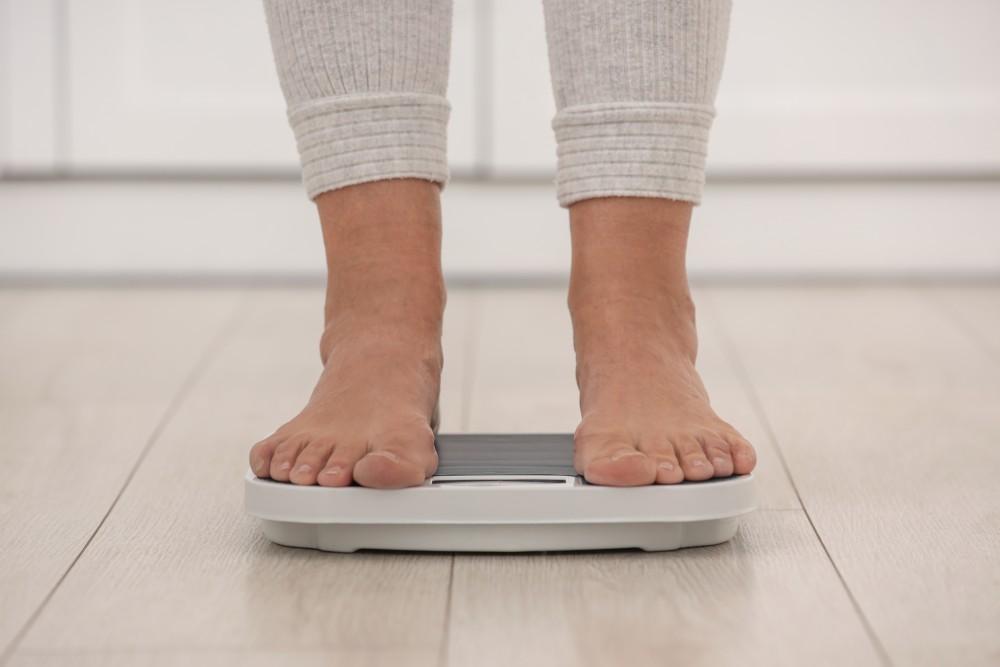
Many women notice their bodies changing as they transition through midlife. At Metro Health and Wellness LLC, Dr. Kirstie Cunningham and our team understand how frustrating this shift can be. We provide specialized menopause and perimenopause care to help you feel like yourself again.
From our offices in Marietta, GA, and Nashville, TN, we offer personalized weight loss programs. We focus on protecting your metabolic health during this transition. Let's look at what causes midlife weight changes and how we can help you manage them.
Why does menopause cause belly fat to accumulate?
The hormonal changes of menopause actively shift where your body stores fat. As estrogen levels drop, fat moves from your hips to your deep abdominal cavity.
In a 2021 study in Menopause of 362 midlife women, abdominal visceral fat increased by 8.2% per year during the late transition. This deep belly fat is highly active and can increase your risk for heart disease.
At our practice, we do not just look at the scale. We assess your overall metabolic health and design a plan to target this visceral fat.
Can diet and exercise reverse midlife metabolic changes?
Yes, targeted lifestyle changes can significantly improve your metabolic health and curb weight gain. A balanced approach helps protect your muscles and heart.
A systematic review in Nutrients found that a Mediterranean diet reduces weight and blood pressure in menopausal women. This eating pattern focuses on whole foods, lean proteins, and healthy fats.
To support your metabolism, we also recommend combining aerobic exercise with strength training. Building muscle is essential because muscle tissue naturally burns more calories.
Our team helps you build sustainable habits. We tailor dietary plans to your unique lifestyle and health goals.
Are weight-loss medications right for menopause?
Modern weight-loss medications can be highly effective for menopausal women when paired with the right lifestyle support. These treatments help manage appetite and improve insulin sensitivity.
A study in the International Journal of Obesity found that postmenopausal women using tirzepatide achieved a 23% reduction in body weight. However, rapid weight loss can sometimes lead to a loss of bone density.
To protect your bones, a study in JAMA Network Open highlights that combining weight-loss medication with exercise is necessary. We closely monitor your body composition to ensure you lose fat, not muscle or bone.
We offer medical weight management as part of our comprehensive care. We ensure your treatment plan is safe, balanced, and effective.
You do not have to navigate midlife changes alone. Our team is here to support your health journey every step of the way. To learn more about our personalized programs, contact our team today to schedule a consultation.